
Table of Contents
⚡ KEY TAKEAWAYS: Unique Gifts from India
- The most reliable unique gifts from India carry a GI registration or a government mark such as Silk Mark, the Handloom Mark, or the Khadi Mark.
- Silk Mark labels carry a hologram and a number you can check online; Handloom Mark labels carry a QR code for the Customer App.
- Kashmir Pashmina is tested and labelled for its GI by the Craft Development Institute, Srinagar, whose website offers an authentication check (checked 6 November 2026).
- Great Britain bans milk-based products from India, including ghee sweets; Australia, the US, and New Zealand require food to be declared.
- Under India’s Baggage Rules 2026, eligible travellers can ask customs for an optional export certificate for jewellery before leaving.
| Key term | Meaning |
|---|---|
| Geographical Indication (GI) | A registration tying a product’s name to its region of origin, valid for 10 years and renewable. |
| Authorised user | A producer registered to use a GI name on their products. |
| Silk Mark | A label from the Silk Mark Organisation of India certifying pure silk. |
| Handloom Mark | A Textiles Committee label certifying cloth woven by hand in India. |
| Khadi | Hand-spun, hand-woven natural-fibre cloth, certified by the Khadi Mark. |
| Attar | An oil-based perfume distilled from flowers, herbs, or woods. |
| Pashmina | Fine wool shawls; Kashmir Pashmina is a registered GI. |
| Shahtoosh | Wool of the protected Tibetan antelope; trading it is illegal in India. |
| Certificate of non-antiquity | An ASI certificate confirming that an old-looking object is under 100 years old. |
| Ladoo | A round Indian sweet, often made with ghee. |
In March 2026 a court sentenced a Jaipur dealer to three years in prison for trading shahtoosh, the shawl wool of the Tibetan antelope, an animal whose trade India prohibits outright (Press Information Bureau, 15 April 2026). Genuine Kashmir Pashmina, by contrast, can carry a laboratory-tested GI label that any buyer can check.
Information checked on 6 November 2026.
The most reliable unique gifts from India are the ones with paperwork: a Geographical Indication (GI) registration that ties a craft to its home district, or a government mark such as Silk Mark, the Handloom Mark, or the Khadi Mark. Each of the 15 gifts below comes with the registration, mark, or practical check that applies, where one exists, and the customs rule that decides whether it reaches home.
How to tell a gift from India is genuine
A GI registration is granted by India’s GI Registry in Chennai, lasts 10 years, and can be renewed; Part B of the register lists the producers allowed to use the name (IP India).
In 2018 the government added a common GI logo carrying the line “Invaluable Treasures of Incredible India”. A GI protects a product’s name and region of origin; it does not test each item, so ask the seller for the authorised user behind the label and check the product itself.
| Mark | Run by | What it tells you | How to check |
|---|---|---|---|
| Silk Mark | Silk Mark Organisation of India (Central Silk Board) | The fabric is pure silk | Enter the label’s number on the Silk Mark website |
| Handloom Mark | Textiles Committee, Ministry of Textiles | The cloth was woven by hand in India | Scan the label’s QR code with the Customer App |
| India Handloom Brand | Ministry of Textiles | Handloom products made to a set quality standard (launched 7 August 2015) | Look for the brand label and registration |
| Khadi Mark | Khadi and Village Industries Commission (KVIC) | The cloth is hand-spun and hand-woven khadi | Buy from KVIC outlets or the Khadi India online store |
| Darjeeling logo | Tea Board of India | The tea is 100% Darjeeling | Look for the logo on the pack |
| GI logo | Department for Promotion of Industry and Internal Trade | The product is a registered Indian GI | Ask for the authorised user’s details |
The Silk Mark label carries a hologram and a unique number, and the Silk Mark website checks that number against its authorised users. The Handloom Mark, run since 2006, uses a dynamic QR code read by the Textiles Committee’s Customer App. Each mark answers one question: Silk Mark the fibre, the Handloom Mark the weaving, and a GI the place. None is compulsory for every genuine piece, but for a Kanchipuram saree the strongest check combines a GI authorised user with the Silk Mark and the Handloom Mark.
Food, tea, and fragrance
1. Kashmir saffron, Malabar pepper, and Alleppey cardamom
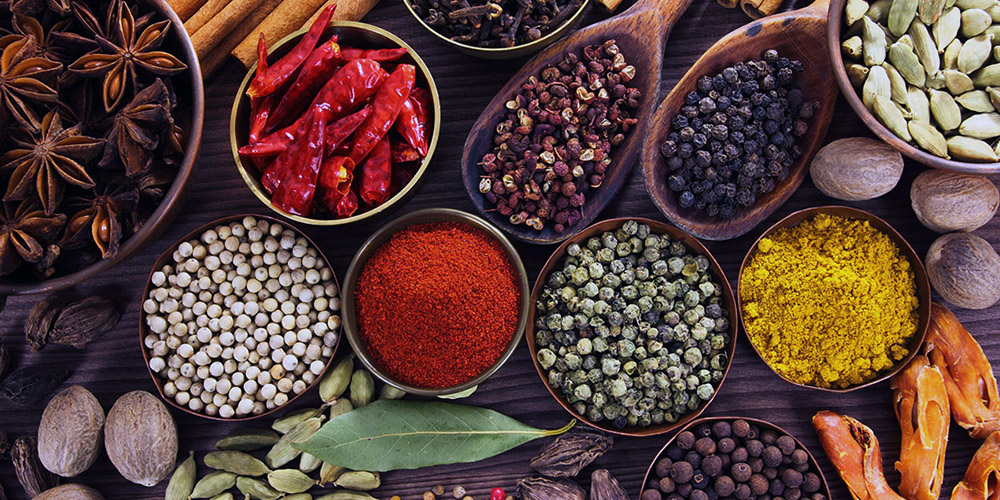
Three of India’s best-known spices are registered GIs: Kashmir Saffron since 2020-21, and Malabar Pepper and Alleppey Green Cardamom since 2007-08 (GI Registry). For saffron especially, buy a GI-labelled tin from a named cooperative or authorised seller rather than loose threads. Dried spices travel well, but they are agricultural goods, so declare them on arrival (see the customs table below).
2. Darjeeling and Assam tea
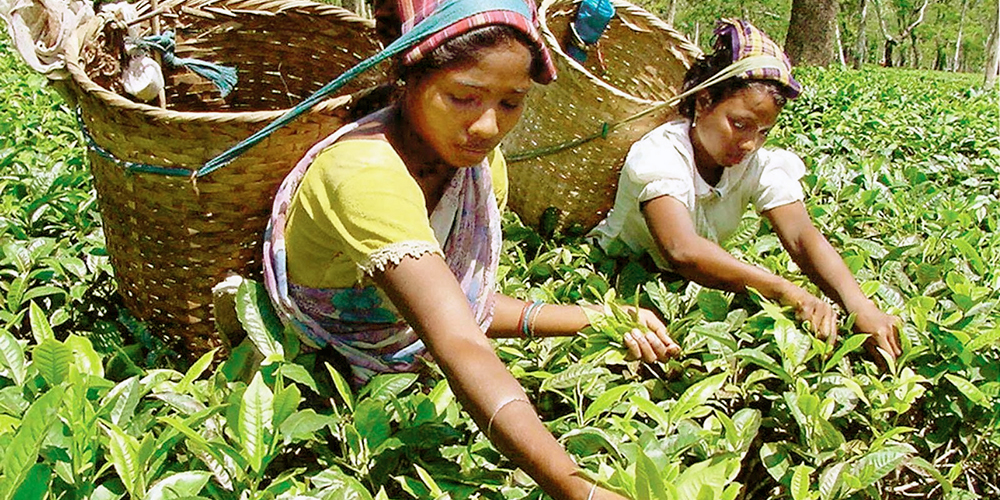
Darjeeling Tea was India’s first GI, application number 1, registered on 29 October 2004 by the Tea Board of India (GI Registry). The Tea Board’s Darjeeling logo, created in 1983, is a certification mark, and only tea grown entirely in Darjeeling may be sold under the name (WIPO case study). Assam Orthodox tea is also a registered GI. Buy sealed, loose-leaf packs that show the logo and the garden or estate name.
3. Mango pickle and ghee sweets
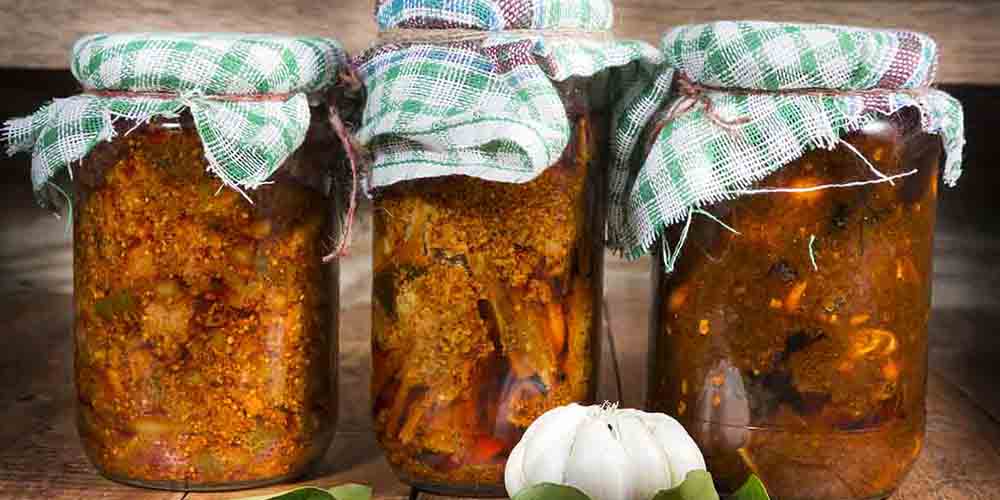
A jar of regional pickle or a box of ladoos (round sweets, often made with ghee) is a common request from Indians living abroad, and the gift most likely to run into a customs rule, because the rule depends on the ingredients.
Air India allows pickle in both cabin and checked bags but chilli pickle only in checked bags, and treats oil and ghee as liquids in the cabin. Great Britain bans milk and milk-based products brought from non-EU countries such as India (GOV.UK), which rules out ghee and milk-based sweets on a flight to Britain; pickles without meat or dairy are not covered by that ban.
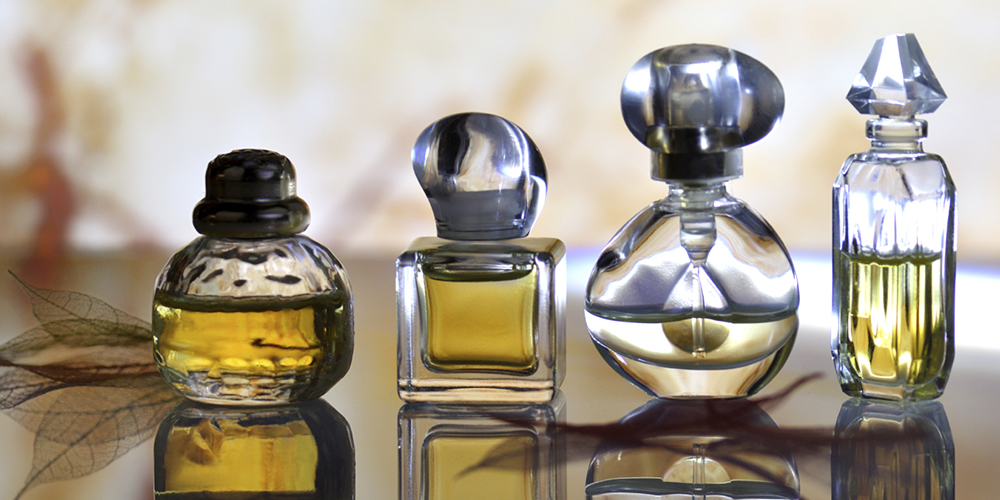
4. Kannauj attar
Attar (an oil-based perfume distilled from flowers, herbs, or woods) is made in Kannauj, Uttar Pradesh, and Kannauj Perfume is a registered GI, certificate number 203, dated 31 March 2014 (GI Registry). Because attar is an oil, it counts as a liquid at airport security: keep cabin bottles to 100 ml or less, in a clear 1-litre bag (GOV.UK; Air India).
5. Ayurvedic oils and herbal products
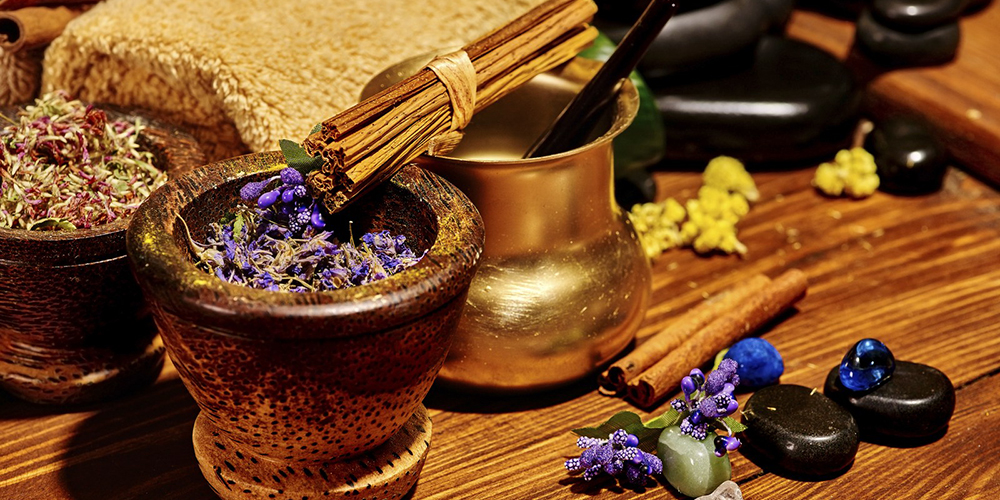
Ayurveda is India’s traditional system of medicine, and its massage oils and herbal preparations are popular gifts. Buy sealed products from licensed makers and give them as gifts, not as treatments. The US Food and Drug Administration has warned that some unapproved Ayurvedic products contain lead, mercury, or arsenic (FDA, December 2025), so anyone who is pregnant or has a medical condition should ask a doctor before using one. Our guide to wellness retreats in India covers the retreats themselves.
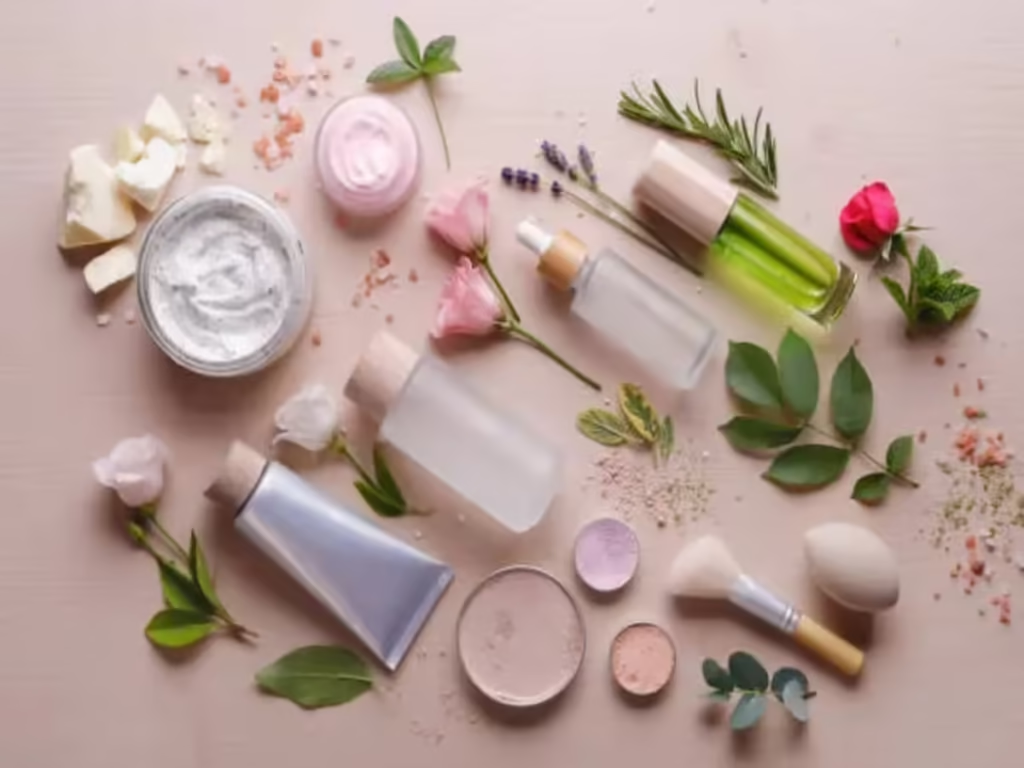
6. Botanical skincare
Indian skincare makers often use turmeric, neem, rose water, and sandalwood. Choose sealed, clearly labelled products from established brands, and check the ingredient list and expiry date before you buy. Creams and oils count as liquids in the cabin, so pack large jars in checked luggage.
Textiles and footwear


7. Kanchipuram and Chanderi handloom sarees
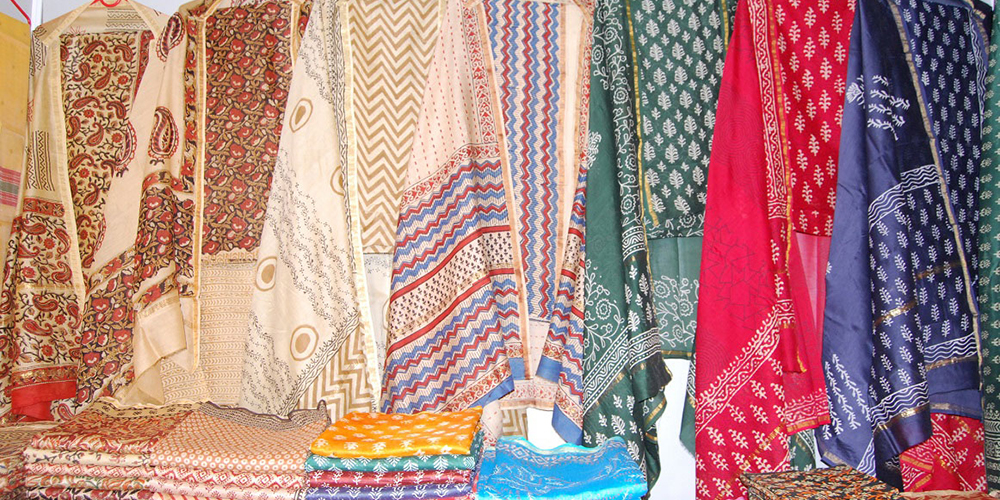
Kancheepuram Silk (the registry’s spelling) became a GI in 2005-06, and Chanderi Sarees from Madhya Pradesh in 2004-05 (GI Registry). For either, ask for the Silk Mark on silk and the Handloom Mark on the weave; neither proves the saree came from Kanchipuram or Chanderi, so buy from a GI authorised user or a weavers’ cooperative.
8. Khadi
Khadi (hand-spun, hand-woven natural-fibre cloth) carries the Khadi Mark under regulations from 2013 meant to “guarantee genuineness” (Lok Sabha answer, December 2023). The Khadi India online store, run for KVIC from Khadi Gramodyog Bhavan in Connaught Place, New Delhi, sells shawls, shirts, and fabric, which makes it the simplest source of certified khadi.
9. Sanganeri and Bagru block prints
Two Rajasthan block-printing traditions are registered GIs: Sanganeri Hand Block Printing (2009-10) and Bagru Hand Block Print (2011-12) (GI Registry). Cotton cushion covers, table linen, and bedspreads are light to pack. A printed fabric is not a handloom, so the Handloom Mark applies only if the base cloth was also woven by hand.
10. Kashmir Pashmina
Kashmir Pashmina was registered as a GI in 2008, on an application from TAHAFUZ, Srinagar (GI Registry). The Craft Development Institute, Srinagar, set up its Pashmina Testing and Quality Certification Centre in 2013 to test and label shawls for the GI, and its website offers a product authentication check.
QR-coded GI labels are also reported (Kashmir Reader, June 2026); a label verifies the certification record, so match the record to the shawl and its physical label before you pay. Never buy anything sold as shahtoosh: the Tibetan antelope is protected under Schedule I of the Wild Life (Protection) Act, and its trade is prohibited.
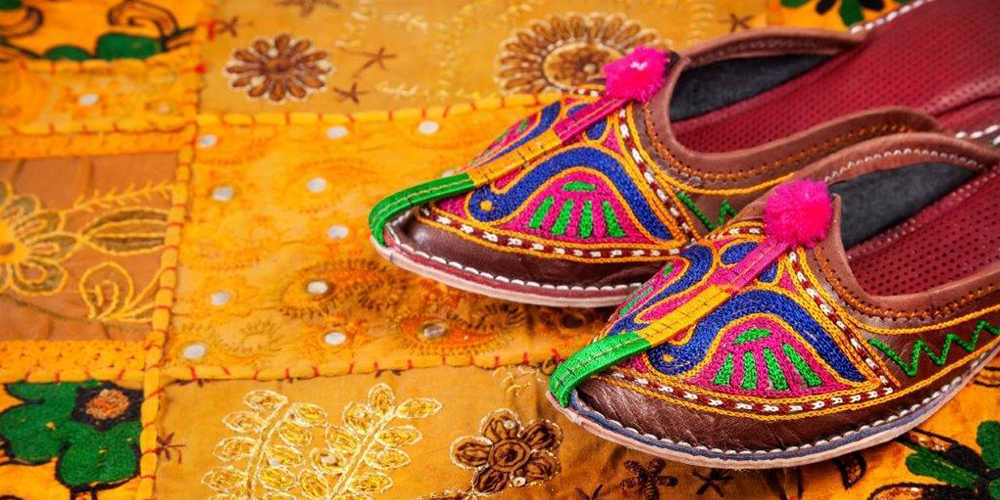
11. Kolhapuri chappals and juttis
Kolhapuri Chappal is a registered GI covering four districts in Maharashtra and four in Karnataka, with its certificate issued on 11 December 2018 (GI Registry). Juttis (embroidered leather slip-ons from Punjab and Rajasthan) are sold widely, but no GI registration for them was found in the registry, so judge them by the stitching and the leather.
Art and keepsakes


12. Madhubani, Thanjavur, and Warli paintings
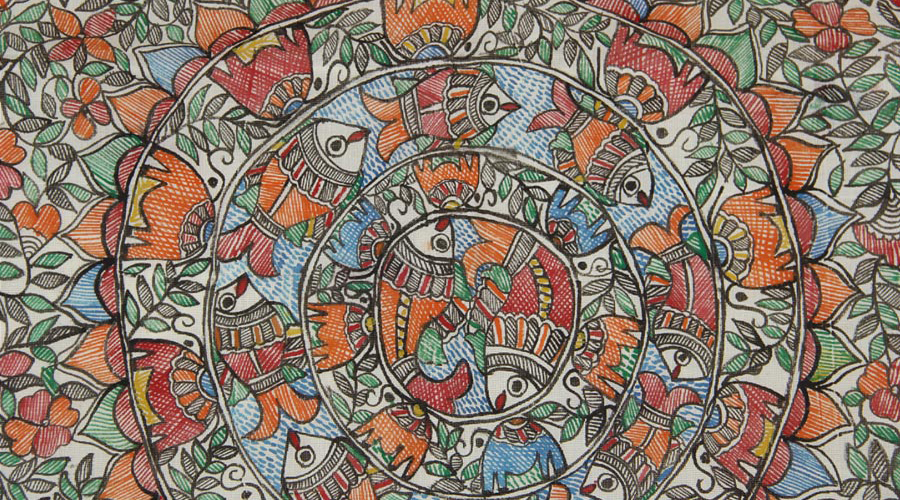
Madhubani Paintings from Bihar and Thanjavur Paintings from Tamil Nadu have been GIs since 2007-08, and Warli Painting since 2013-14 (GI Registry). Buy from the artist or an authorised cooperative where you can. If a painting or carving looks old, keep the bill: India bars the export of antiquities, works of art at least 100 years old, and the Archaeological Survey of India issues a certificate of non-antiquity for pieces that only look aged.
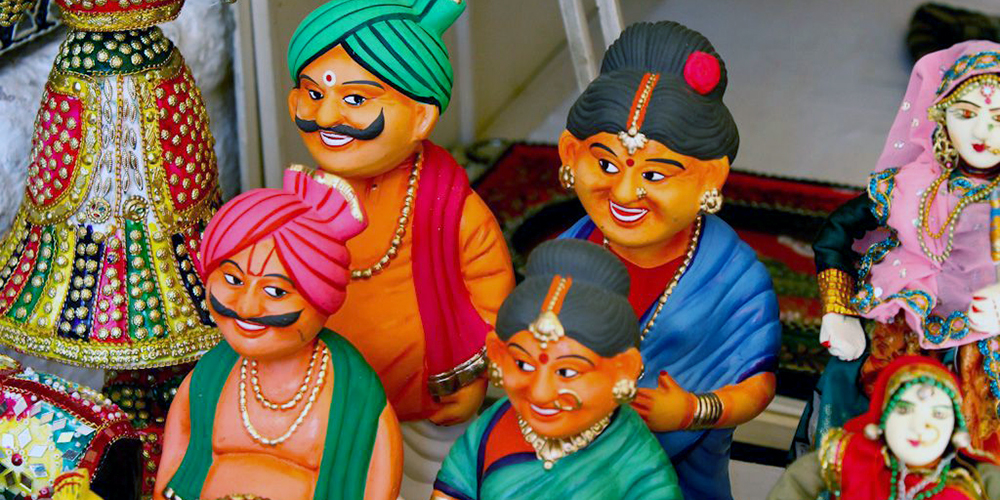
13. Channapatna and Kondapalli toys
Channapatna Toys and Dolls from Karnataka and Kondapalli Bommallu (toys, in Telugu) from Andhra Pradesh are both registered GIs (GI Registry). Declare wooden items when you land in Australia or New Zealand.
14. Bankura and Gorakhpur terracotta
Bankura Panchmura Terracotta Craft from West Bengal (2017-18) and Gorakhpur Terracotta from Uttar Pradesh (2019-20) are registered GIs (GI Registry). Terracotta is fragile and heavy, so pack it in checked luggage with clothing around it, or have the seller ship it.
15. Silver jewellery
Silver jhumkas (bell-shaped earrings) and kadas (bangles) carry no GI as a category. Since 1 September 2025 jewellers can hallmark silver with a unique identification number under a voluntary Bureau of Indian Standards scheme (PTI, September 2025), so ask for it; an unhallmarked piece is not necessarily fake, but the number lets you check the declared purity. Keep the bill.
Under India’s Baggage Rules 2026, residents, tourists of Indian origin, and foreigners on non-tourist visas may ask customs at departure for an optional export certificate for jewellery they take abroad. It records the pieces so they can be brought back without questions, and it is valid until the first return or six months, whichever is earlier (CBIC, February 2026).
What you cannot take out of India
- Shahtoosh and ivory: India’s wildlife law bars trade in both, including imported African ivory, and wildlife articles are barred from export (Wildlife Crime Control Bureau).
- Articles from scheduled wild animals; the schedules include protected species of coral and shell, so restrictions depend on the species.
- Red sanders (red sandalwood), whose export is restricted to licensed, cultivated wood.
- Antiquities, which the Antiquities and Art Treasures Act, 1972, defines as works of art or craftsmanship at least 100 years old; only the Central Government or an agency it authorises may export them.
Declaring gifts when you arrive home
| Destination | What to declare or leave behind | Source |
|---|---|---|
| Australia | Declare herbs, spices, herbal teas and medicines, seeds, wooden items, dairy, nuts, and grains; officers then decide what may enter, and failing to declare can bring fines or visa cancellation | Department of Agriculture factsheet |
| United States | Declare all food and agricultural products; most dried spices are allowed, but undeclared items can bring civil penalties of up to US$1,000 for a first offence | US Department of Agriculture (APHIS) |
| Great Britain | Milk, milk-based products, and meat from non-EU countries such as India are banned | GOV.UK |
| New Zealand | Declare spices, sweets, seeds, and honey tonics such as chyawanprash; failing to declare risk goods carries a fine of at least NZ$400 | Ministry for Primary Industries |
In the US, a declared item carries no penalty even when an officer seizes it (APHIS); the penalties fall on items that go undeclared. Declaring an item does not mean it will be allowed in. Rules on ghee are not stated outright by the Australian or US pages, so ask at the counter rather than assume.
Where to buy unique gifts from India
Dilli Haat at INA in New Delhi, set up in 1994 by Delhi Tourism with the textile and tourism ministries, gives stalls to craftspeople from across India (Delhi Tourism). Its official page lists two different entry fees and several sets of hours, so check at the gate.
In Gujarat, the craft villages around the Rann of Kutch are covered in our Rann Utsav guide, and our guide to historical places in India maps the cities whose markets these crafts come from.
Prices vary too much by grade, size, and seller to band honestly here, so compare the marks before the price.
Quick Insights: Unique Gifts from India at a Glance
- Darjeeling Tea was India’s first Geographical Indication, registered on 29 October 2004 by the Tea Board.
- A GI registration lasts 10 years and can be renewed; the register lists the producers allowed to use the name.
- Kannauj attar counts as a liquid at airport security, so cabin bottles must be 100 ml or less.
- Air India carries chilli pickle only in checked baggage.
- Art objects 100 years old or more cannot leave India without government authorisation.
- India prohibits trade in shahtoosh and ivory, including imported African ivory.
- Declared items carry no penalty in the United States, even if they are seized.
FAQ
What are the best unique gifts from India?
The best unique gifts from India carry a GI registration or government mark, such as Darjeeling tea, Kanchipuram silk, or Kashmir Pashmina. The mark shows the item came from its home region.
How can I tell if a Pashmina shawl is real?
Look for the Kashmir Pashmina GI label from the testing centre at the Craft Development Institute, Srinagar, and check it on the institute’s website. Avoid anything offered as shahtoosh, which is illegal to trade in India.
How do I check if a silk saree is pure silk?
Ask for the Silk Mark label. Each label has a hologram and a unique number, which you can check on the Silk Mark Organisation of India’s website.
Can I take Indian sweets and pickles abroad?
Usually, but it depends on where you land and what the food contains. Great Britain bans milk-based products from India, which includes ghee sweets. Australia, the US, and New Zealand require you to declare food on arrival.
Can I carry attar in my hand luggage?
Yes, within the liquids limit. Attar is an oil, so each bottle in the cabin must be 100 ml or less, packed in a clear 1-litre bag.
Is there a tax refund for tourists shopping in India?
No tourist refund scheme was found to be in force on 6 November 2026. India’s GST law provides for one, but reports up to 2023 said it had not started. Budget for prices including GST.