Table of Contents
⚡ KEY TAKEAWAYS: Things to Do on Your Honeymoon
- The best things to do on honeymoon are slow ones: two or three rest days first, then one planned activity a day.
- Book private dinners, charters, and photographers ahead; leave the rest until you arrive.
- Eat away from the hotel a few times, and plan one small adventure to balance the rest days.
- Agree on the trip's pace and phone rules before you leave, not on the first morning.
| Key term | Meaning |
|---|---|
| Slow travel | Fewer sights, more time in each place |
| Digital detox | Agreed time away from phones and screens |
| Do-nothing day | A day with no bookings or tours |
| Micro-adventure | One short activity outside your comfort zone |
| Private charter | A boat hired for just the two of you |
| Small-group cruise | A shared trip with a capped number of guests |
A humid evening in the Maldives and a cold, clear morning in the Swiss Alps share one thing for a newly married couple: they are the first days of married life without a schedule.
Yet many couples over-schedule their days and turn a restorative escape into an itinerary that never pauses. If you are researching things to do on your honeymoon, the best honeymoon ideas are usually shared experiences, not landmarks to tick off.
Information checked on 7 November 2026.
How to Balance a Honeymoon Week
A well-paced trip mixes three kinds of days, and the order matters as much as the mix.
| Activity Category | Primary Focus | Energy Level | Best Timing |
| Rest & Recovery | Recovery & Intimacy | Low | The first two or three days of the trip |
| Shared Adventure | Exploration & Discovery | High | Mid-trip, once stamina returns |
| Private Moments | Privacy & Celebration | Medium | Evenings and milestone moments |
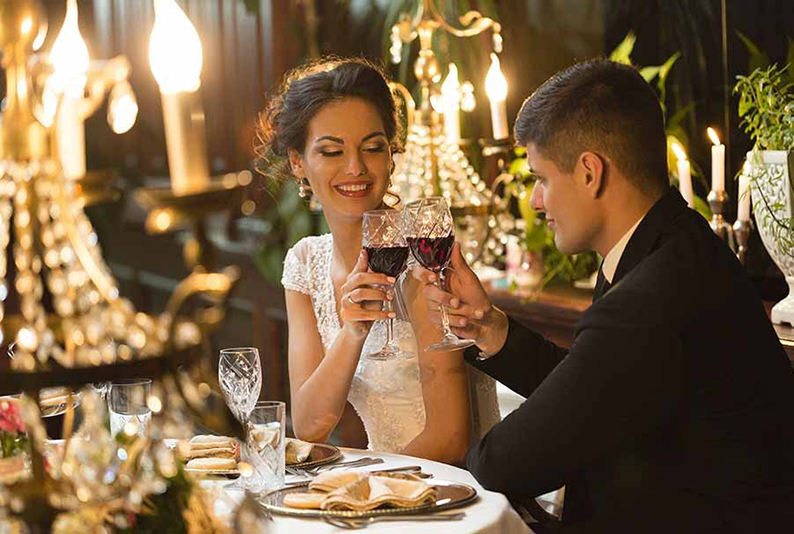




1. Arrange a Private Dining Experience
The ambient noise of a crowded resort restaurant and the tight proximity of neighbouring tables can occasionally intrude on a milestone evening. Skipping the buffet for a private dinner offers a sharp contrast to the very public nature of your wedding day.
You will pay a premium for the privacy, so book it for the one evening that matters most. Privacy isn’t the only advantage. Without the background noise of a busy dining room or the pressure to finish within a reservation window, the meal develops its own pace. Courses arrive slowly, conversations linger, and the evening stops feeling like another dinner reservation.
2. Embrace the Art of Slow Travel
No amount of excitement completely cancels out travel fatigue. Lingering over a second espresso at a pavement café as the city wakes up holds far more value than rushing to join a crowded museum queue. You may sacrifice the exhaustive tourist checklist, but you gain a real feel for the neighbourhood.
If you miss a famous landmark because a three-hour lunch turned into an afternoon stroll, consider that a victory. Aim for one primary activity per day at most. Slow travel in a metropolis like Tokyo might mean exploring just one district a day without a rigid map; in a rural setting like Tuscany, it means accepting that reading a book on the terrace is an entirely valid pursuit.
3. Enforce a Strict Digital Detox
The sharp buzz of a phone against a restaurant table quickly fractures a trip’s atmosphere. A honeymoon differs from a standard holiday because the focus is the relationship: when one partner scrolls through a social feed, they are physically beside each other while their attention is elsewhere.
Removing the phone from the table changes a meal’s rhythm, making uninterrupted conversation far more likely. The silence between courses often fills with stories that would otherwise be interrupted by a glowing screen. Agree on phone-free meals or screen-free hours; a cheap watch, so you are not checking the time on your phone, is an optional extra.
4. Build “Do Nothing” Days into the Itinerary
One of the most common mistakes in honeymoon planning is over-packing the schedule out of a fear of missing out. Waking up with no tours to catch and no reservations to honour makes room to recover from the wedding.
Consider writing rest days into the plan, for example two in a ten-day trip, so you are not tempted to fill them. You may miss a day of touring, but you’ll recover your stamina for the rest of the week. On a designated rest day, start the morning slowly by ordering a full, elaborate breakfast spread to be served directly on your balcony, so you don’t have to face the public before noon.
5. Indulge in an Immersive Spa Retreat
The physical toll of standing for hours in formal wear, navigating complex family dynamics, and dancing late into the night can leave newlyweds tired before the trip begins. Prioritising a couple’s spa retreat lets your body acknowledge the fatigue and unwind properly. For a longer stay built around rest, see our guide to wellness retreats in India.
Timing matters here. Booking a deep massage on day one often results in falling heavily asleep on the table, while booking it at the end of the trip misses the chance to set a relaxed baseline. For many couples, day two or three works: the flight is behind you, and the sightseeing has not yet taken over. Adjust it to your arrival time and how the wedding week went.
6. Prioritise Intimacy and Connection
Many couples discover their favourite honeymoon memories aren’t made on excursions, but during the quiet hours back in the room. A destination is just a backdrop, and protecting your energy means setting boundaries against the lingering urge to explore constantly.
Allocating budget to a room you don’t want to leave removes the guilt of staying in. If finances allow, a room with a private plunge pool, a deep bath, or a secluded balcony helps; facilities vary by property. On a tighter budget, privacy can simply mean a quiet room away from the lifts and the pool.
7. Hire a Local Professional Photographer
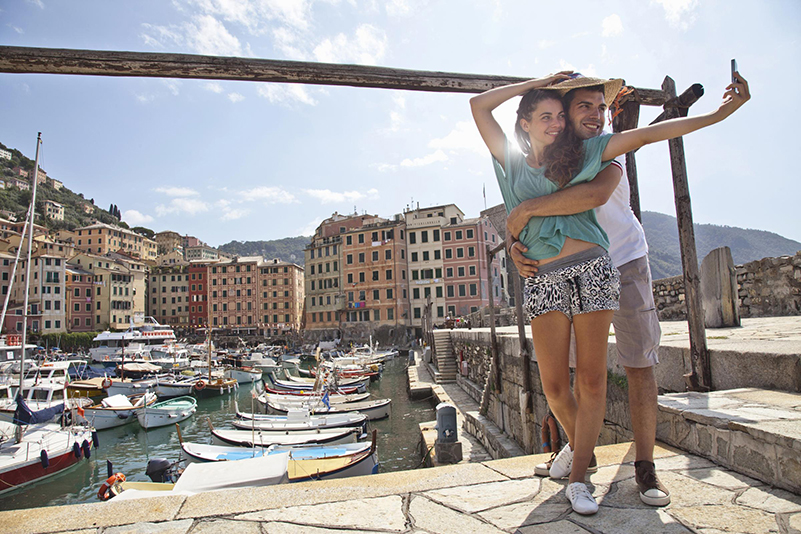
A common oversight in travel planning is assuming smartphone selfies will adequately capture the mood of a trip. Asking passers-by for photos gives inconsistent framing, and the daily pressure to document everything yourselves can pull you out of the moment.
Booking a concise, one-hour session with a local professional solves this, provided you review the full client gallery rather than only carefully selected highlights. A photographer who knows the destination may also know when popular viewpoints briefly empty, how the changing light alters familiar landmarks, and which quieter streets create a far more personal backdrop than the places every visitor photographs.
8. Create a Sensory Memory
Many people find that a familiar fragrance brings a particular place straight back. One way to anchor the trip is for both partners to purchase a new, specific fragrance to wear exclusively during the getaway.
A song, a dish, or a particular tea can work the same way. If you choose a fragrance, pick one distinctive enough that you wouldn’t normally wear it at home. The less it overlaps with everyday life, the more closely it becomes tied to the trip. Keep the bottles packed away once you return. Long after the itinerary has faded, that familiar scent becomes the quickest route back to the trip itself.
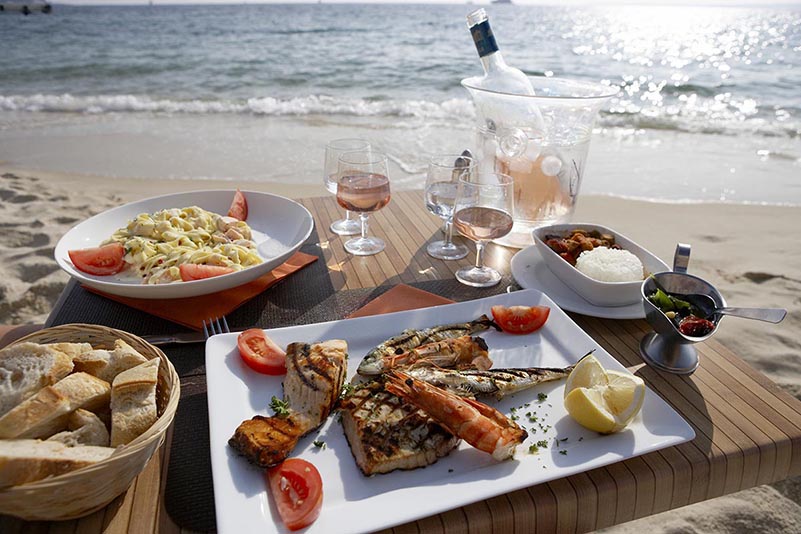



9. Explore the Local Culinary Scene
Stepping away from your hotel’s sanitised international menu and exploring a busy local market adds a distinct layer of shared discovery. A restaurant full of residents can be a useful introduction to regional dishes and everyday dining habits.
Plan a few meals away from the hotel. In Southeast Asia, this might mean pulling up plastic stools at a street food stall; in Italy, it means finding a neighbourhood trattoria specialising in a single regional pasta. The occasional confusion of unfamiliar menus and language barriers usually becomes one of the stories you both tell after the trip.
10. Plan a Targeted Micro-Adventure
Relaxation is one of the greatest pleasures of a honeymoon, but one activity that gently pushes you beyond your comfort zone can balance a slow week. Getting slightly lost together, laughing through a language barrier, or trying something completely unfamiliar often becomes one of the stories you keep telling long after the holiday has ended.
Depending on your location, consider booking one focused excursion. The sharp intake of breath before a current-drift snorkel in Belize, or the shared focus of a traditional cooking class in Kyoto, where neither of you speaks the language fluently, adds a welcome challenge. Choose by fitness, swimming ability, and interest, and check the operator’s safety briefing first.
11. Book a Boutique Cruise or Private Charter
The gentle rhythm of the water and the slow disappearance of the shoreline create a rare feeling of complete separation from everyday life. Getting on the water is one way to leave the crowds on shore.
Chartering a private vessel or booking a boutique cruise offers an exclusivity that large-scale group tours can’t match. A private charter along the Amalfi Coast lets you explore quiet cliffsides, while in the Caribbean it centres on reef snorkelling and empty horizons. A private charter gives you control of the route and the company, at a higher price; a shared small-group cruise costs less and still keeps numbers low.
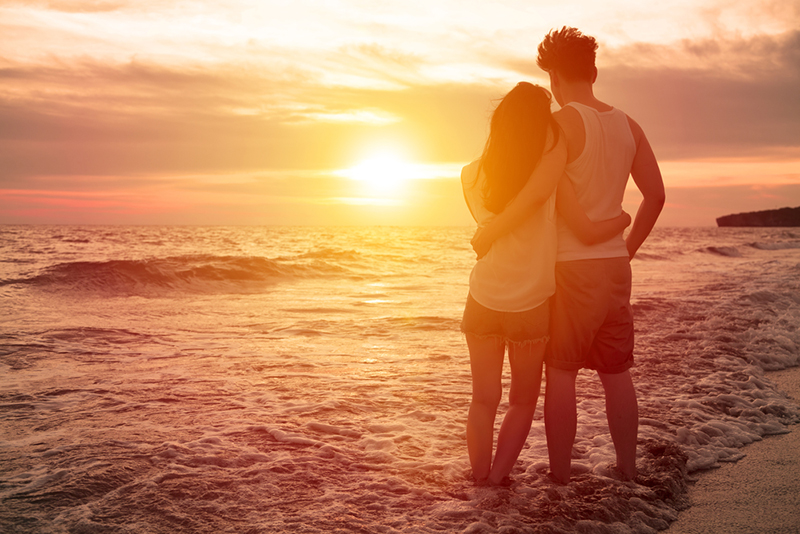



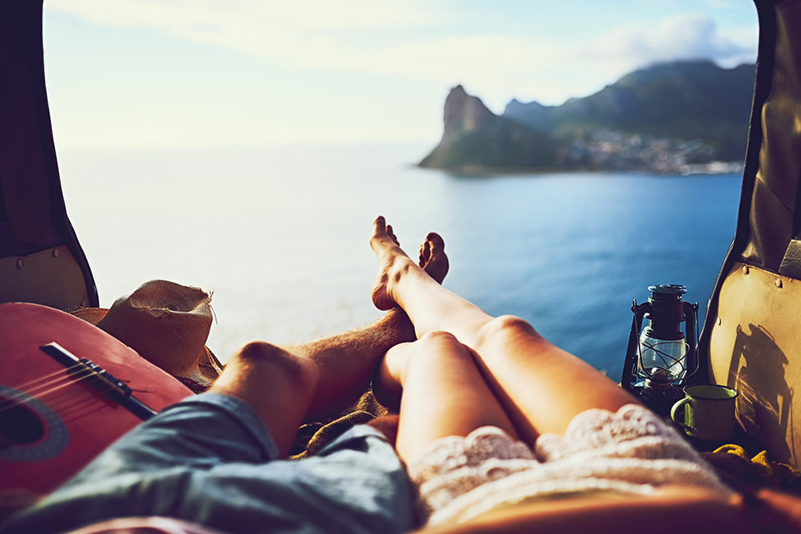
12. Wake Up for One Sunrise
Plan one sunrise before you leave home, weather permitting. It will probably be the earliest start of the trip, and at less famous viewpoints you may have the place almost to yourselves; sunrise times change with the season, so check them locally.
Ask your concierge for a recommended local vantage point, and lay out your clothes the night before. Dawn also changes how a destination feels. Streets that fill up by mid-morning are often quiet, cafés start preparing for the day, and local life unfolds more slowly. Even familiar landmarks can feel entirely different before the crowds arrive.
13. Spend One Evening Out
Adding one lively evening changes the trip’s pace, keeping the days from blurring together. The shift from a slow beach day to a city at night breaks up the week.
Many cities change after sunset. A place known for museums by day may come alive with live music, night markets, cultural performances, evening food tours, or waterfront walks, depending on where you are. Experiencing both versions creates a more complete memory of the place. You trade the resort’s quiet for the pulse of the streets, seeing how the destination changes after dark, when the pace slows in some places and comes alive in others.
14. Create Meaningful Evenings Together
The shift from day to night benefits from a small ritual. Even in a casual coastal town where bare feet are the norm, the simple act of washing off the salt and changing clothes shifts the evening’s mood.
For some couples, packing one evening outfit becomes a small ritual of its own. It creates a clear boundary between the day’s heat and the night’s intimacy. Making an effort to dress up just for your partner, even if you are only ordering room service to the balcony, shifts the evening from passive recovery to intentional romance.
15. Discuss Your Future Fantasies
Sitting on a balcony overlooking an unfamiliar landscape puts some distance between you and the routines of home. Once you are completely relaxed and the wedding stress has dissipated, use the time to talk about the future.
A post-wedding trip is a rare blank slate. Talking about your wild travel fantasies, career goals, or five-year plans is a chance to share hopes and expectations while neither of you is rushing. The conversations you remember years later are rarely about reservations or budgets. They are the ones where the future still feels completely open, making it a natural way to end your first trip as a married couple.
Before You Go
Start from a simple admission: you will probably step off the plane still carrying the wedding’s exhaustion.
Discuss the trip’s pace before you leave. If one partner pictures a 6 am hiking start and the other expects breakfast in bed at 10 am, agree on it at home rather than on the first morning.
Book flights in the exact name on each passport, check that both passports have enough validity left, and confirm entry and visa rules for your destination and any transit country with its government; IATA’s travel documentation service is a useful first reference.
If either of you takes regular medication or is travelling somewhere new, see a doctor before you go about vaccines and supplies; the WHO’s travel and health pages give general background.
If you are still choosing a destination, read our guide to planning a New Zealand honeymoon from India or browse our guide to the 15 best beaches in the world.
Quick Insights: Honeymoon Planning at a Glance
- Keep the first two or three days slow; most couples arrive tired from the wedding.
- Book one scheduled activity a day at most, and leave afternoons open.
- Reserve private dinners, charters, and photographers in advance; leave the rest until you arrive.
- Go into town for at least two meals where residents eat.
- Agree on phone rules before the trip, not at the dinner table.
Frequently Asked Questions
What should we do on our honeymoon?
Most couples mix rest with a few shared experiences. One common pattern is two or three slow days to recover from the wedding. After that comes one special meal, time in local markets, and one small adventure, such as a boat trip. The pace matters more than the length of the list.
What are the best free things to do on honeymoon?
Romance does not need a large budget. A sunrise walk, a phone-free evening, and a wander through a local market cost nothing, and a park picnic costs little more than the food.
What honeymoon activities are there besides relaxing?
To break up the relaxation, incorporate a micro-adventure tailored to your location. This could be a cooking class, a guided hike, a heritage walk, a snorkelling trip, or a small-boat outing. Buying a fragrance to wear only on the trip is a quieter option.
How many activities should we book per day on a honeymoon?
As a starting point, plan no more than one scheduled activity a day, and adjust it to your energy. Over-scheduling is one of the most common reasons couples return home feeling exhausted. Leave your afternoons completely open for slow travel, spontaneous exploration, or deliberate rest.
What are the best things to do on your honeymoon at night?
Match your evening to your energy levels rather than trying to fit in one more attraction. If you spent the day relaxing, look for a night market, a small bar, or a jazz club. If your day was highly active, opt for a slow private dinner or order room service to your balcony.
What should couples avoid doing on their honeymoon?
The biggest mistake is trying to see and do everything. An overpacked itinerary can leave you with less time to rest and enjoy experiences together. Prioritise a slower pace, leave room for spontaneity, and remember that the quality of your time together matters more than how many attractions you visit.
Should we book luxury honeymoon experiences for couples in advance or upon arrival?
Book limited-capacity experiences in advance, such as private dining, private charters, or a professional photographer; booking windows vary by place and season. Leave lower-priority activities unplanned so you can book them after you arrive, depending on your energy levels, the weather, and local recommendations.